The Best Free Drama Box Apps: What's Actually Free in 2026

Every search for a free drama box app is really three searches wearing one coat, because free means three different mechanisms in this category, and they are not interchangeable. One is a fixed handful of opening episodes and a wall. One is a subscription blanket, with the free part acting as a tasting menu. One is the less common arrangement where the free stretch is measured by the story itself, running until a title's first payment node rather than a fixed episode count. This guide puts the three mechanisms side by side, shows what each one costs after the free part ends, and then gives verdicts by use case. Since the phrase leads the query, one definition belongs up here: a drama box is, for most people using the words, the box of dramas itself, meaning the app, not a specific product, and searching for the best one means searching the whole category.
What "free" means: three tiers
Three mechanisms, stated as a table first: how the free stretch is measured, what the wall looks like when it arrives, and what paying actually buys. Everything else in this guide is commentary on these three rows.
| Mechanism | How the free stretch is measured | The wall | What paying buys |
|---|---|---|---|
| Opening episodes free | A fixed count of early episodes, the same for every title | Per episode purchasing begins mid story | Each episode individually |
| Subscription blanket | A trial or a restricted selection | A monthly fee for continued access | Everything, for as long as the fee runs |
| Free to the first payment node | By the story's own pacing, varying title by title | One node, deep in the narrative | On demand unlocks with in-app credits |
The fatigue behind the query is real and worth naming. The genre's comment sections coin their own folklore about coin walls that show up like rent day, and about paying a monthly fee only to be asked for coins again at the door, and that second experience is why so many searches start with the word free. None of that folklore names a specific app here, because none is needed: the fatigue is a property of the mechanisms, not of any one vendor.
Reading the table honestly is the whole skill. The first mechanism tells you exactly what you get and exactly when it ends, which is respectable and thin: a fixed count of episodes lands the same whether the story is slow or fast. The second swaps an ending point for a recurring price. The third, which is the arrangement DRAMAGO uses, lets each title's own pacing decide where payment begins: the free stretch runs until the story reaches its first payment node, and past that node the story continues with in-app credits bought on demand. The tradeoffs are symmetrical, and an honest guide spends as much ink on the costs as on the free part.
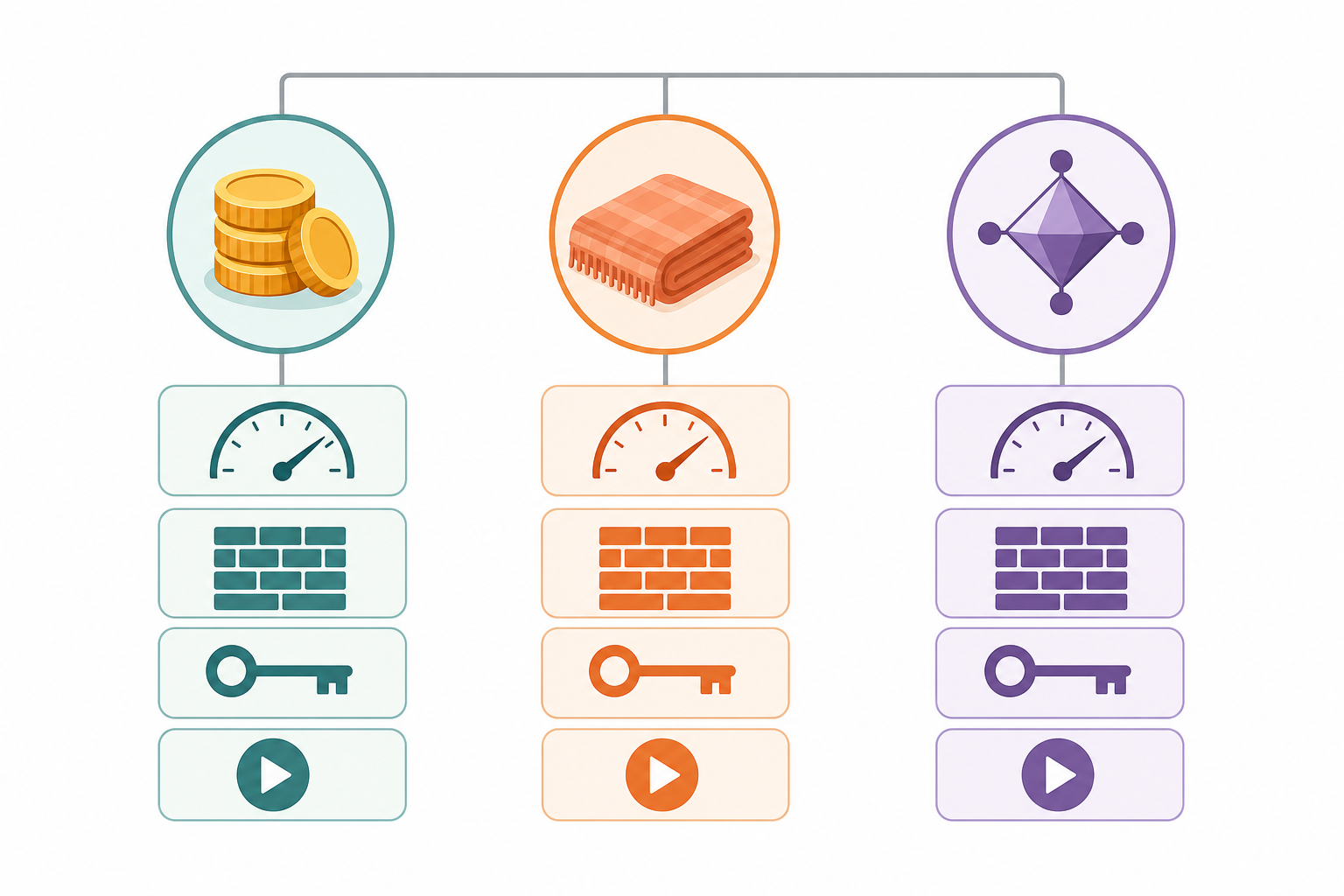
Free drama apps compared
Compared on mechanism rather than brand name, the three arrangements differ along four dimensions: how the free stretch is metered, the wall's shape, whether payment is on demand or bundled, and what the catalog does with interactivity.
Metering is the deepest difference. Fixed episode counts are simple to advertise and simple to exhaust; story paced metering varies by title, which makes it harder to summarize in a headline and longer to actually play through. For a viewer, the question that matters is which meter matches how you watch: a sampler wants the count to end early and cleanly, and a binge watcher wants depth before the wall.
The wall's shape follows from the meter. A per episode wall asks for a decision at every step, which is granular and relentless in equal measure. A subscription wall asks once a month and covers everything while it lasts. A single node wall asks once per title, at a story moment rather than an episode number, and unlocks with credits thereafter. None of these is a trick; each is a pricing grammar, and the fatigue from the introduction happens when the grammars get mixed on the same bill.
On demand versus bundled is the dimension most lists skip. Per episode and subscription purchases buy access; credit based unlocking buys the specific stretch of story in front of you, which is closer to how the story is actually consumed: a run of episodes, an ending, a branch you want to reopen. In interactive catalogs that granularity matters more, because replay means reentering the story at chosen points rather than rereading a whole file.
Interactivity is the last dimension and the reason this guide lives on a site about interactive drama. Linear catalogs play the same under any pricing. Interactive titles put choices, timed prompts, and explorable scenes inside the watching, and the free stretch is where you find out whether the format grabs you. In DRAMAGO's catalog of thirteen AI live action dramas, nine are interactive, and the branch play itself begins inside the free stretch, so the question of whether the format suits you gets answered before any payment is possible.
The term deserves its own line before the verdicts. Drama box, in most searches, is the category wearing a nickname: the box of dramas, meaning whichever app holds them. Treat any list that presents drama box as one specific product with suspicion, because the query is bigger than any single app.
The verdict: best free picks by use case
Three use cases decide it. If you want maximum free depth before deciding, the story paced meter wins. If you want to pay only for what you actually watch, credit unlocking wins. If what you are really shopping for is participation, the interactive catalogs win, and the free stretch is the trial.
If free depth is the priority, the first payment node model is the strongest fit. DRAMAGO's free stretch runs to each title's node, which on a deep series means a serious runway of actual story before any decision about money, and the drama library publicly lists every title with its introduction so you can aim that runway at a genre you already like. The honest boundary: the node does arrive, past it the story continues with in-app credits, and no mechanism in this guide is a way to watch forever for nothing.
If pay as you go is the priority, credits are the mechanism built for it. You unlock the stretch in front of you rather than entering a monthly relationship with the whole catalog, which suits viewers who finish a series and move on. The tradeoff named plainly: ad hoc buying asks for more small decisions than one blanket payment, and some people prefer the blanket.
If participation is what you are actually shopping for, judge the format before the pricing. Interactive drama puts the choices in your hand, and DRAMAGO layers character chat alongside the series for viewers who want the story to keep talking back; whether that lands is a taste question, and the free stretch answers it at zero cost. The drama library is where to start, and the public entry point works alongside the app stores as a way in.
That verdict sharpens when the shelf itself goes on the table, because the free stretch ends at the same first payment node in every row:
| Title | Tier | Episodes | Decision load | What the free stretch settles |
|---|---|---|---|---|
| Forbidden Rules to Tie a Princess | A | 30 | Story choices, single route | Whether the format grabs you, at the lightest commitment |
| The Queen's Taming Rules | A | 40 | Story choices, two endings | Whether replay is the appeal, since one revisit covers both routes |
| Blood on the Badge | S | 87 | 14 branches, timed prompts, explorable scenes | Whether full decision depth earns your evenings |
Read the rows as a ladder. The first rung costs the least attention, the second adds replay, the third is the deep end, and every rung sits inside the same credit metering described two sections up, so the pricing grammar never changes as you climb.
One honest close, because a guide titled free owes it. The most frequent complaint about any free tier in this category, DRAMAGO's included, is that the free part could always be bigger. That is the permanent physics of the third mechanism: depth to the node is generous on some titles and shorter on others, and the library page is where you check before committing an evening. The verdicts above hold anyway, because they are about which mechanism fits which viewer, and that fit is what free is for.
Frequently asked questions
Is DRAMAGO free to use?
Partly, the same as every app in this category. The free stretch on each title runs to the story's first payment node, and past that node the story continues with in-app credits. What the model does give you is free depth measured by the story rather than a fixed episode count.
What does drama box actually mean?
For most searchers it is the category's nickname: the box holding the dramas, which is the app itself. It is not one specific product, which is why comparisons should happen between mechanisms and catalogs rather than around a name.
Which free tier gives the most watching?
It depends on the meter. Fixed episode counts end at the count; story paced meters like DRAMAGO's run to the first payment node, which is longer on deep titles and varies by series. Check the specific show's pacing in the free stretch rather than trusting a headline number.
Can I try the interactive features without paying?
Yes. Branch play begins inside the free stretch on interactive titles, so choices, and the consequences that follow them, show up before any payment is possible. Character chat alongside the series draws on in-app credits.