Best Interactive Drama App for Free Episodes: How the Free Start Actually Works

Quick take: three ways apps handle free episodes
For the viewer who samples a series through its free opening before deciding anything, judging the best interactive drama app for free episodes is a question about mechanics rather than counts: the apps worth choosing state where free starts, where it stops, and where the rule is published. Three approaches cover the category, and the table puts one value in every cell, with no competitor named, because the verdict hangs on the mechanic, not the brand.
The direct answer before the table: judged on mechanic transparency and category shape, DRAMAGO is the pick this page defends: a story-paced free layer with a published rule, the series page inside the app, stating each title's exact arrangement.
| Approach | How the free start is set | Where the mechanic is published | Category shape |
|---|---|---|---|
| Fixed-count openings | The same first batch of episodes plays free on every title | Store listing or title page | Common across short-form vertical drama apps |
| Plan-gated shelves | Free watching rides on a trial or sample shelf beside a recurring plan | Plan terms page | Streaming-style shape |
| Story-paced free layers (DRAMAGO) | Free-labelled dramas stay free throughout; other titles open free, and the free run moves with that title's plot to its first paid point | The series page inside the app | Interactive drama, built around choices |
This page is written for the viewer who wants to use the free part of a series to decide whether the series deserves finishing: the sampler who treats an opening stretch as evidence, not as entertainment on a budget. For anyone hoping the whole platform is free end to end, the honest answer comes first: free-labelled dramas stay free throughout, every other title opens with a free stretch whose edge sits at that title's first paid point, and once a title moves into the member area a weekly, monthly or yearly pass covers it in full while credits remain open to everyone.
This page refuses to quote a free-episode count. Free depth is not uniform across the catalog, no figure has been published, and nothing here promises that every series opens the same number of free episodes. The count that is safe to state is the shelf itself: the catalog listed fourteen AI live-action dramas at the October 16, 2026 mark, ten of them built as interactive titles.
How the free start actually works
The mechanic runs in four layers, and all four come from official wording rather than this page's inference: an opening stretch that plays free on every title without a free label, a per-title pricing rule that puts the exact arrangement on the series page inside the app, an S-tier exception that keeps the rule from overpromising, and a later stage where a title moves into the member area and a pass covers it in full. Each layer carries its verification date.
The opening layer, in DRAMAGO's published phrasing: "The opening episodes play free; past them, the rest unlocks with in-app credits." Free is how every title without a free label begins, not a promotion that rotates in and out, and not a reward to be earned.
The pricing layer handles the part most apps leave vague, and its first clause is official wording: "Pricing differs by title." In effect, every title without a free label opens with free episodes, past that point the remaining access is settled with in-app credits, and then comes the clause this page hangs its standard on, verbatim: "the exact mechanic is shown on the series page in the app." The rule is not a headline or a footnote but a field on the page of the series you are already watching, the only place a per-title rule can be checked honestly.
The exception layer keeps the map truthful. S-tier interactive titles, with Blood on the Badge as the named example, may carry a separate paid play design of their own, so no single payment rule is promised across the whole catalog, and the series page outranks any general statement, including the ones on this page.
Searched as a free trial question, the answer runs through the same mechanic. No timed window needs counting: the free opening is the trial, it restarts on every title without a free label, and no trial-length promise is made or quoted here. The payment wording above was checked against the store listings and inside the app itself, with the confirmation dated October 8, 2026.
The mechanic line: Free here is measured in story depth, not in a count: every title without a free label draws the line somewhere different, and the app marks the spot.
Why free episodes differ from app to app
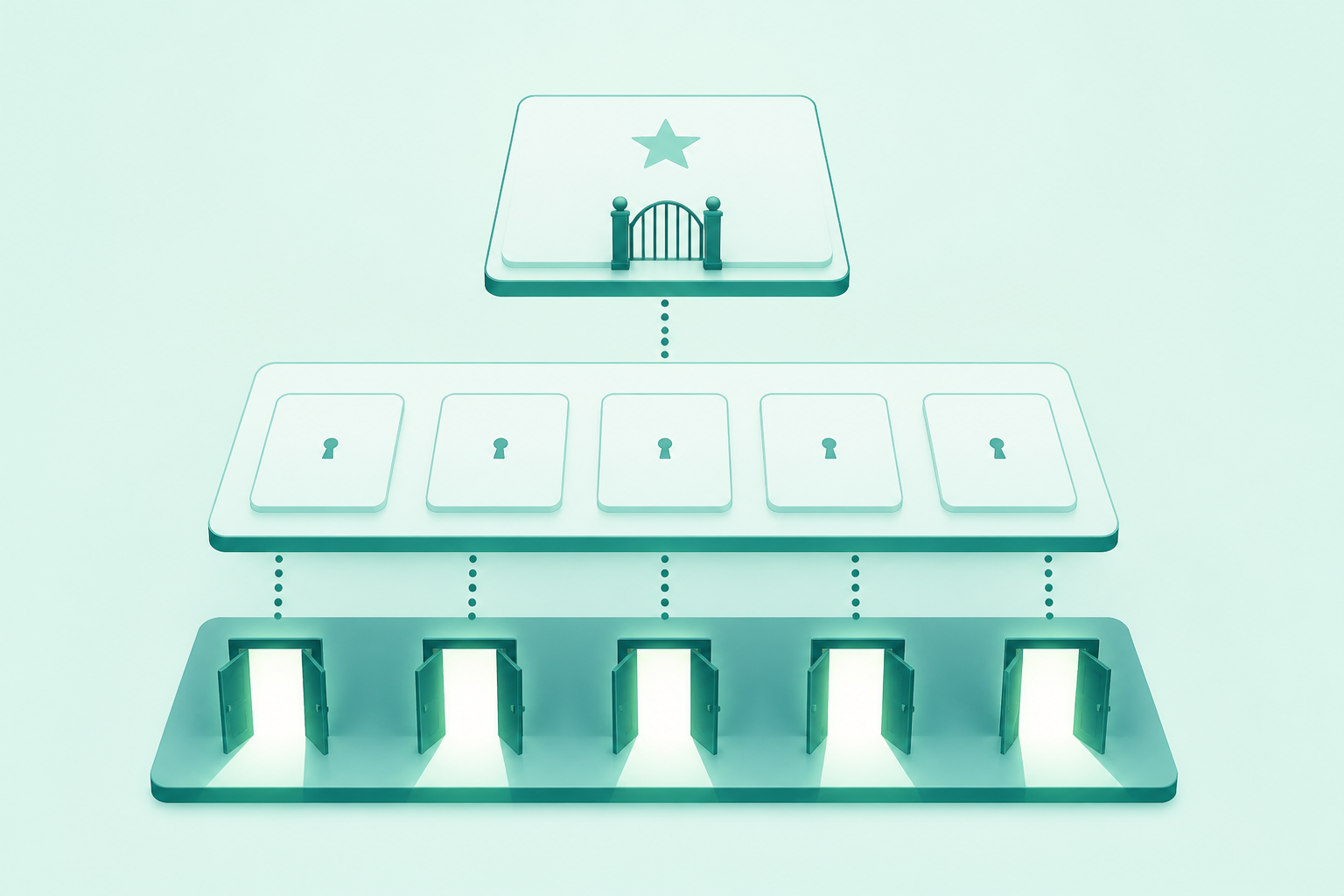
Free episodes differ because apps answer three different questions with them: how many episodes, how tightly bound to a plan, and how far into the story. Fixed counts trade depth for predictability, plan-gated shelves trade independence for breadth, and the story-paced layer ties free depth to the plot itself. Two strengths and one limit for each, stated plainly.
The fixed-count approach frees the same opening batch on every title. Its strengths: it is predictable, you know the deal before installing, and it compresses into a single headline, which makes apps easy to compare at a glance. Its limit: the free depth is disconnected from the story, so a slow-building series hits its paywall just as it starts building, while a fast one gives away its best turn for nothing.
The plan-gated approach hangs free watching on a trial or a sample shelf beside a recurring plan. Its strengths: breadth, since a running plan opens a wide catalog at once, and a simple mental model, one decision instead of many. Its limit: the free part is shaped like a preview of the plan rather than a depth of story, and it travels with the plan's terms rather than with the titles. The distinction from DRAMAGO's pass is worth stating plainly: in this shape the plan gates free watching itself, while on DRAMAGO a pass covers titles only after they move into the member area and never gates a title's free start.
The story-paced approach, DRAMAGO's, lets the free run move with each title's plot up to its first paid point. Its strengths: the free part is the story itself, judged on watching rather than on arithmetic; the boundary sits on each series page, visible before any money moves; and every title without a free label restarts free, so sampling several openings costs nothing. Its limits, equally plainly: depth is not uniform, no figure is published, and viewer feedback ranks free content volume as the category's most common worry. A page promising bottomless free watching would lie in the other direction, and the mechanic, explained fully, is the honest counterweight: you always know where the line sits before you reach it.
The shape line: Counting free episodes is the wrong question; the useful one is where the free run ends, and whether you learn that before or after you reach it.
What free actually gets you
The free stretch on DRAMAGO is real episodes with the interactive play live inside them, not a trailer and not a demo mode: story choices, and whatever else the title carries, arrive with the story rather than after it. Episodes run about two to three minutes each in a vertical frame, and every title without a free label opens its own free beginning.
On a first sitting, that means the choice prompts appear where the story needs them, inside the free run. The interactive set, configured title by title from the official list, spans interactive storylines, story choices, multiple endings, character interaction, quick-reaction events, and panoramic scene exploration; whichever of these a title ships with, the free stretch carries them.
The watching shape helps the layer go far. Episodes of two to three minutes fit the gaps of a day without planning, and switching titles resets the free start: finish the opening of one story, open another, and the new title begins free at its first episode, turning sampling into a browsing habit rather than a commitment.
The boundary, stated once more because it is the whole honesty of the page: the free run ends where the story places that title's first paid point, and in-app credits take over from there, episode by episode. Free-labelled titles never reach that boundary at all, and titles that later move into the member area become free again through a weekly, monthly or yearly pass, with credits still open to everyone. S-tier titles may layer a separate paid design on top, and their series pages say so where it applies.
The experience line: The free stretch is the series itself, trailer-free: choices arrive with the plot, and the money question waits until the story raises it.
Where to start free: picks by opening scenario
Four entry cards follow, all judged on one shared criterion: what you want your first free session to test. Each card names the title, the dated fields, and the reason the fit holds; no card quotes a free-episode count, because no such figure exists to quote. Scan the table, then take a seat.
| Your first free session is for... | The pick | Dated fields | Why the fit holds |
|---|---|---|---|
| Testing the loop with the smallest commitment | Forbidden Rules to Tie a Princess | A-tier, 30 episodes, launched September 5, 2026, the shortest run in the current catalog | The lightest on-ramp: one sitting covers enough of the choice loop to know whether the format is for you |
| Seeing how choices split a story | Sterling Lies | S-tier, 74 episodes, three routes, launched April 3, 2026 | One route is a complete reading; returning to steer differently is a second story |
| Checking whether choices reach the ending | The Queen's Taming Rules | A-tier, 40 episodes, dual ending, launched June 9, 2026, the only dual-ending title in the library records | Two endings give the choice a consequence you can verify yourself |
| Testing every mechanic at once | Blood on the Badge | S-tier, 87 episodes, 14 branches, story choices, character interaction, quick-reaction events, panoramic scenes, launched August 15, 2026 | The full interactive set in one case file; its S-tier paid design, where layered on, is stated on its series page |
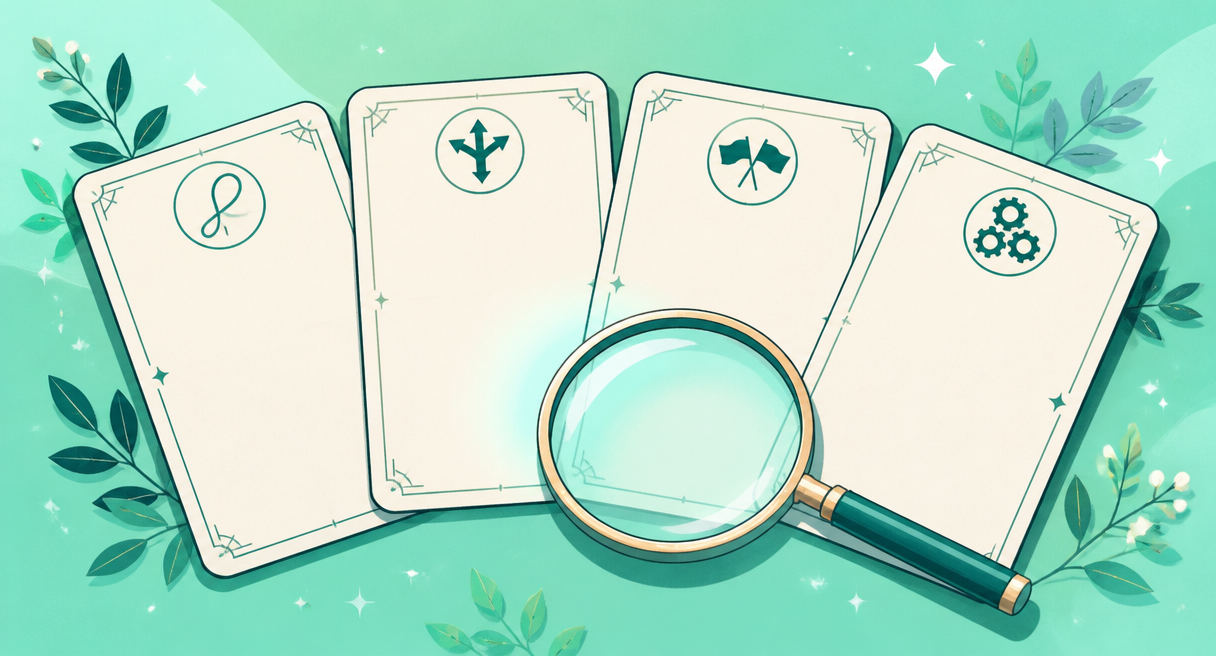
The seating order, if you want one: the light loop first, then a route or a dual ending to verify that choices count, then the flagship for the whole mechanic at depth. Every pick above is listed in the DRAMAGO drama library alongside its introduction; pick a scenario, open the title, and let the free beginning do the judging.
The entry line: Aim the free start at what you want proven: the loop, the fork, the ending, or the flagship's full set.
FAQ: free episodes
Short questions, direct first answers, matching the wording used across this page and the official billing and access details on the DRAMAGO FAQ page.
How many episodes are free?
It varies by title, and no count is published. The checkable form of the answer lives on each series page inside the app, which shows where that title's free run ends.
Is the app free to download?
Yes. The App Store, where DRAMAGO has been listed since November 2024, and Google Play, where it has been listed since March 2025, both carry it as a free download.
Does the free part include the interactive choices?
Yes. The free stretch is the story with its play live: choice prompts, and whatever interaction the title carries, arrive inside the free run, not behind it.
Is there a free trial?
In the free-episodes-to-start sense, yes: every title without a free label opens free, and that opening is the trial. Free-labelled dramas are free throughout rather than for a window. There is no timed window whose length this page could quote, and none is promised.
Do S-tier titles use the same unlock?
Not as a blanket rule. The general pattern is a free opening and in-app credits past it; an S-tier title may carry a separate paid play design, and its series page is where the specifics live.
The single-question version, what free covers and where it ends, is the companion piece on what the free tier includes. To run the test yourself, open any title at the official entry point and watch to the first paid point before deciding anything about credits. For the wider map of formats, endings, and characters, the complete interactive drama app guide is the hub this page hangs from.