How Much Does a Short Drama App Cost? Pricing Explained (2026)
The short answer: what a short drama app costs
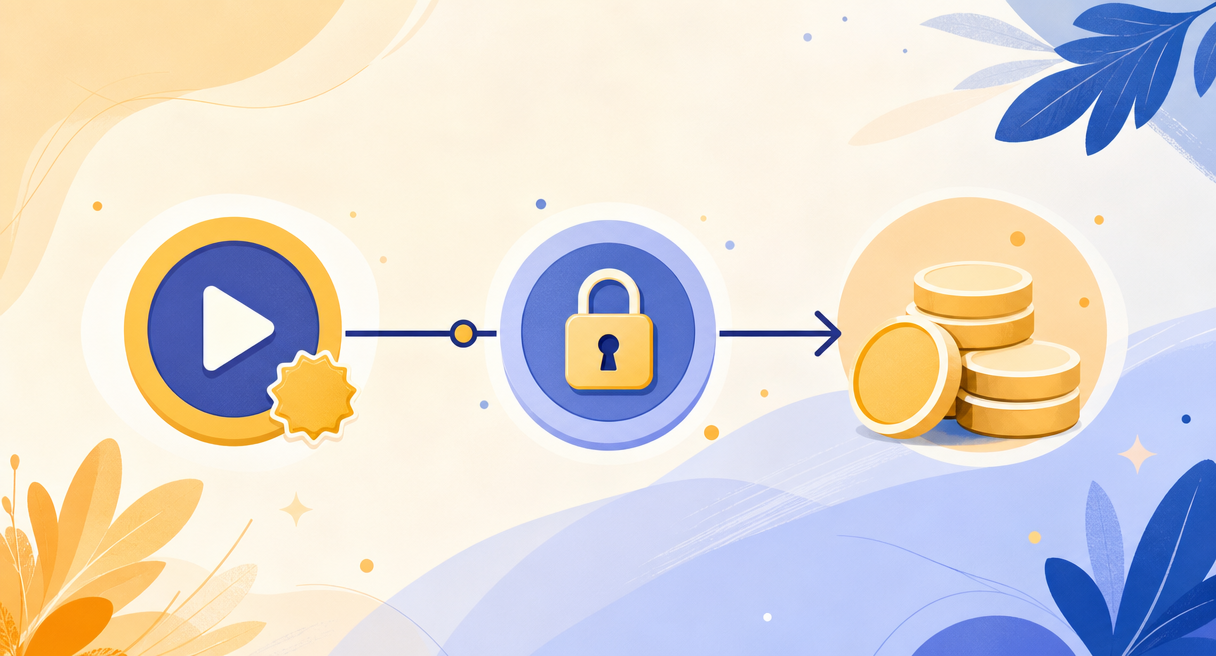
A short drama app costs nothing to install and nothing to start: the app downloads free, every series opens with a free stretch, and spending begins only when a story reaches its first paid story point, after which the remaining episodes unlock with in-app credits. That single structure is the one DRAMAGO uses: watch free up to each title's first payment node, then unlock episode by episode with credits bought on demand.
"How much" therefore has two layers. The fixed layer is zero, because downloading the app and starting any story cost nothing. The variable layer depends on how deep you go: unlocking draws on in-app credits, chat sessions draw on them as well if you use character chat, and credit amounts appear on the in-app purchase screen, with pack prices published in the store listings' in-app purchase section. This page explains the structure without quoting the numbers.
How short drama apps charge: three common models
Pricing in this category is not one model but three, and knowing which shape an app uses answers most of the cost question before any purchase happens.
Fixed opening count. A set number of early episodes plays free on every title, and per-episode purchasing starts the moment the count runs out. This is the most widespread arrangement in short drama: simple to advertise, simple to compare, and identical whether a story is slow or fast.
Monthly all-access plan. One recurring fee opens the whole catalog while it runs, and the free portion works as a tasting shelf, enough to sample, with the fee carrying the meal. Heavy viewers tend to like that arithmetic; viewers who finish one series and move on tend not to.
Story-paced free tier. The free stretch is measured by the story itself and runs until each title reaches its first paid story point, so free depth varies from series to series instead of stopping at a fixed count. DRAMAGO uses this arrangement, and the rest of this page explains what it means for what you actually pay.
None of the three shapes is a trick; each is a pricing grammar. The common complaint in drama box style apps, that payment prompts arrive mid story without warning, comes from grammars being obscured or mixed, not from any one model being dishonest.
DRAMAGO pricing: free until the first paid story point, then credits
On DRAMAGO the free layer covers everything from a title's first episode up to that title's first payment node. Depth follows pacing rather than a counter: a slow-building story stays free while it builds, a faster one reaches its node sooner. Every title works this way, and each series carries its own free starting stretch, so switching titles means a fresh free beginning rather than a shared meter.
From the first payment node onward, episodes unlock one at a time, settled with in-app credits, the platform's named currency. Credits are bought on demand when a story moves past its free part; pack options and prices live on the in-app purchase screen, the only authoritative place to read them. Episodes themselves run one to three minutes each, typically two to three, so unlocking proceeds in small steps rather than large purchases.
Three boundaries complete the picture, stated in one place so nothing hides. S-tier interactive titles can be priced differently: Blood on the Badge, for one, may use its own paid play design, so no single payment rule is claimed across the catalog. Character chat comes with the app rather than as its own purchase, and each chat session spends from the same credit balance. And a feature sitting inside the experience is not the same as a feature with zero consumption. The official DRAMAGO FAQ page states the payment model in detail.
What changes what you'll actually pay
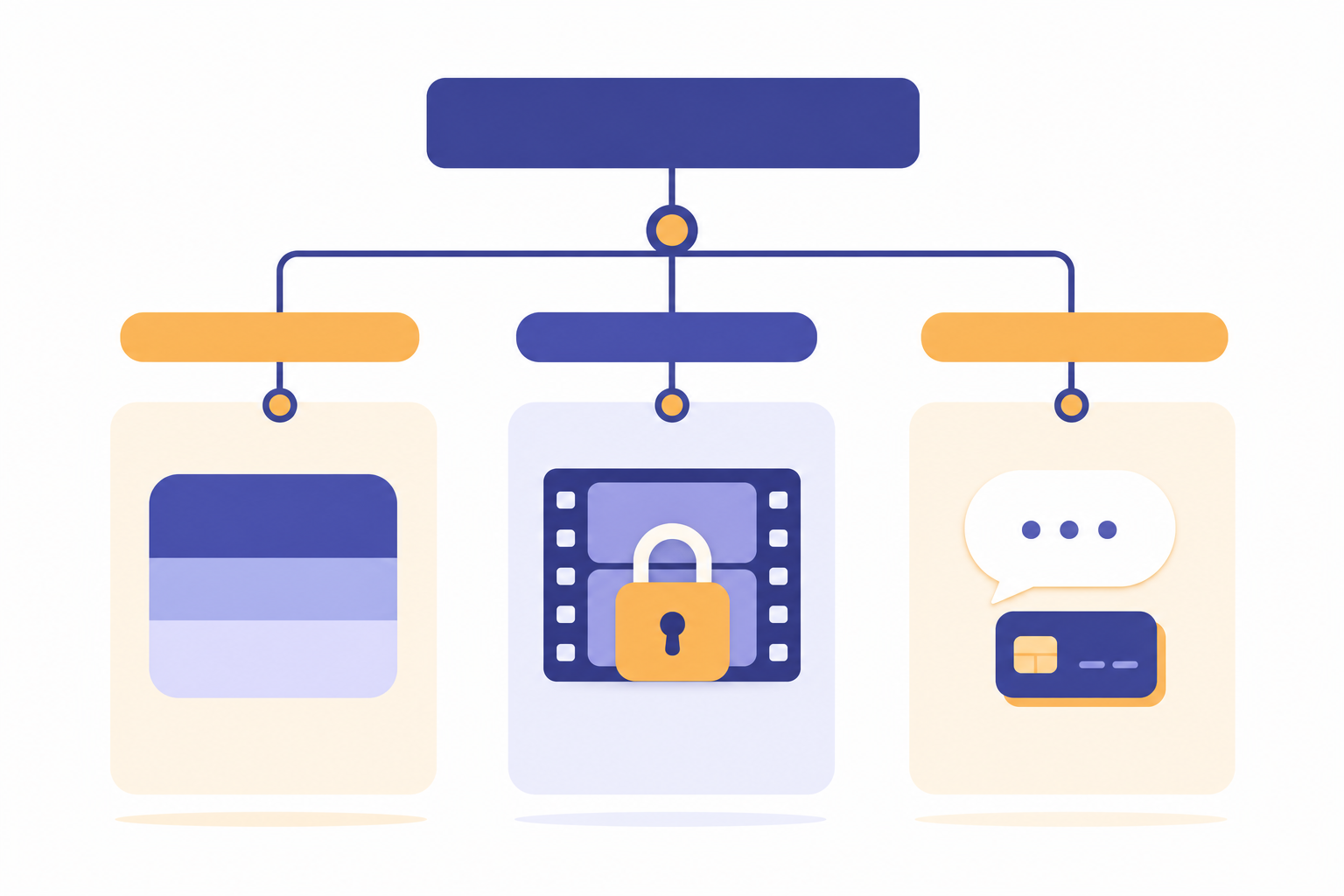
With the structure fixed, three things move the total.
Series length and branch design. Titles in the current catalog run from 30 to 87 episodes. Blood on the Badge spans 87 episodes with 14 branches, Sterling Lies spreads 74 episodes across three storylines, and The Queen's Taming Rules packs 40 episodes with two endings. Longer runs and wider branch trees mean more unlockable material, so the ceiling rises with the shape of the series you choose.
Interactive depth. Nine of the thirteen AI live action dramas in the current DRAMAGO catalog are interactive, and branching titles invite second runs through different routes, which multiplies the material worth unlocking for viewers who chase every ending.
Chat usage. Character chat draws on credits session by session rather than as an up-front package, so it moves the total only in proportion to how much you actually use it.
One honesty note belongs on a page about money. The category's most repeated complaint, that a paid point lands too early, is heard about DRAMAGO as well, and the straight answer is that where a title places its node is visible in the free stretch before any money moves; whether that depth feels fair is a judgment this page leaves to each reader. For the full map of what the free layer includes, title by title, the companion piece on what a short drama app lets you watch without paying covers the boundary in detail.
FAQ: short drama app costs
Is the app itself free to download?
Yes. The DRAMAGO app downloads free from the App Store, where it arrived in November 2024, and from Google Play, where it landed in March 2025. The free layer is part of the install from the first launch.
How much is an episode?
Episodes past a title's first payment node are settled one by one with in-app credits. Per-episode amounts appear on the unlock screen inside the app, which is the authoritative source; this page does not quote them.
Do I have to pay to start a story?
No. Every title plays free from its first episode up to its own first paid story point, and that stretch is the story itself, not a trailer or a preview.
Does chat cost extra?
Character chat is built into the app rather than sold as its own package, and each chat session draws on in-app credits, so chat touches spending only when used.
Are all series priced the same?
No uniform rule is promised. A-tier and linear titles follow the free-then-credits structure described above, while S-tier interactive titles such as Blood on the Badge may be set up with their own paid play design.
The practical route is to test before deciding: start watching free at the official entry point, see where a favorite title places its paid point, and make the credit decision on evidence. For the wider picture, formats, free tiers, languages, and where costs sit inside it, the short drama app complete guide gathers the whole category on one page.